Uploaded By-Oconnor Loomis
Getting ready for lens replacement surgery can be simultaneously a mixture of excitement and fear. This procedure, commonly known as clear lens replacement, offers a permanent solution for those struggling with vision problems like farsightedness, myopia, or hyperopia. With innovations in the field, personalized lens solutions are easier to obtain than ever before, granting patients with the opportunity to enhance their daily living considerably.
Grasping what to expect pre-, during, and post- surgery is important for anyone thinking about this transformative procedure. From the preliminary appointment to the healing period, being well-informed can help ease any fears you may experience. In this thorough guide, we will walk you through the key details about lens replacement surgery, including its upside, downsides, preferences for candidates, and what the post-surgery recovery looks like, so that you feel confident as you begin this process towards better eyesight.
Understanding Refractive Lens Exchange
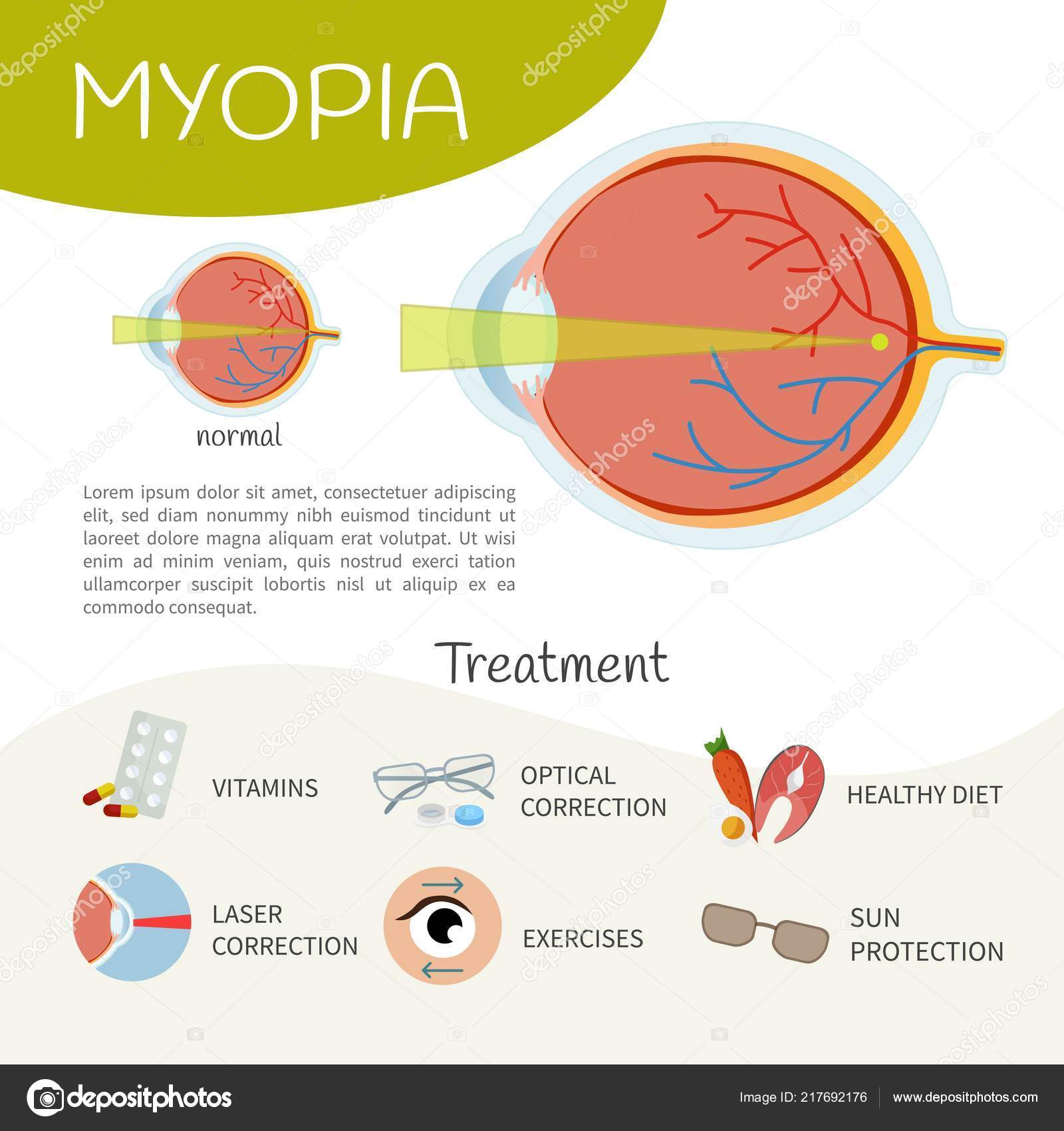
Clear lens exchange, also known as lens exchange, is a surgical procedure intended to correct vision by taking out the natural lens of the eye and substituting it with an artificial one. This surgery is particularly beneficial for individuals suffering from presbyopia or those with strong prescriptions of myopia or hyperopia. Unlike standard cataract surgery which is performed to treat cataracts, lens replacement surgery is a proactive approach aimed at providing permanent vision correction.
The operation typically makes use of the application of sophisticated technology to ensure accuracy and efficacy. During surgery, the eye is anesthetized, and the surgeon makes a small incision to remove the clouded lens. The new inside the eye lens (IOL) is then inserted. There are various lens options available, including top-tier lenses such as accommodating lens implants and broadened depth of field lenses, which provide improved multiple focus vision and can lessen the need on glasses after surgery.
Post-operative recovery from lens replacement surgery is typically quick, with many patients noticing significant vision improvement soon after the procedure. However, patient-specific recovery times may vary based on the type of lens used and the total health of the patient’s eyes. Understanding the nuances of lens replacement surgery, including its advantages and possible risks, is essential for anyone planning to undergo this transformative procedure for vision correction.
Readiness and Candidacy
Before getting lens replacement surgery, it's important to evaluate whether you are a good candidate for the treatment. Generally, ideal candidates are those who experience vision issues such as farsightedness, extreme nearsightedness, or astigmatism. An eye check-up by a qualified ophthalmologist will assess your specific vision requirements and if lens surgery is the right option for you. Factors such as overall eye health, current medical conditions, and existing prescription levels play a crucial role in candidacy.
Getting ready for the surgery involves several steps, such as comprehensive eye evaluations and meetings. During the initial consultation, your surgeon will discuss your medical history, conduct various tests, and describe the different types of lenses offered, such as luxury lens options. This is also the best opportunity for you to ask any kind of questions regarding the procedure, recovery time, and potential risks. Knowing what to expect can alleviate anxiety and ensure you feel assured moving forward.
In addition to physical preparation, it's essential to have a plan for your post-surgery recovery. Organizing transportation for the day of surgery, as you may encounter temporary visual disturbances, is recommended. You should also consider talking about your goals and expectations with your surgeon to align on the best lens options for your needs. Being prepared can greatly enhance the overall experience and contribute to positive results.
Costs and Payment Plans
The expense of cataract surgery can fluctuate significantly based on various factors, including the kind of lens selected, the doctor's experience, and the physical location of the procedure. On average, the total expense for a tailored lens replacement can range from several thousand to more than ten thousand dollars per eye. When thinking about advanced https://www.instagram.com/clearsightlasikandlens/?hl=en like accommodating lens implants or extended depth of focus lenses, the costs can be on the higher end of that range. It is important to discuss your surgeon the specific costs connected with your treatment plan to get a clear understanding of what to expect financially.
Financial plans for lens replacement surgery are usually available to help reduce the expense. Many clinics provide customizable payment plans that allow patients to pay for their surgery in installments. Additionally, some practices offer promotional financing with no interest for a specific period which can be beneficial. https://wacotrib.com/waco_today_magazine/technology-skills-keep-brazos-eye-surgery-sharp/article_78ed33de-9e60-11eb-b29d-1f5be18a9dcc.html 's also wise to confirm if your health insurance provides benefits for any part of the procedure, particularly if you are undergoing lens replacement due to eye issues or other health reasons.
Employing Health Savings Accounts (HSA) or Flexible Spending Accounts (FSA) can also be an efficient way to handle the costs associated with lens replacement surgery. These accounts allow you to use pre-tax dollars to finance medical expenses, ultimately decreasing your overall cost. Discuss with your financial consultant or the clinic's billing specialist to investigate all available options and determine the most appropriate financial plan that fits your needs.
Recovery and Expectations
After lens replacement surgery, patients can expect a gradual improvement in their vision. Initial recovery generally starts within the initial few days, as any pain, swelling, or light sensitivity diminishes. It is frequent to experience variations in vision as the eyes adjust to the new lens, and some patients may notice sharper vision shortly after the procedure, while others may take more time to achieve optimal results. Following the surgeon's post-operative care guidelines is essential for a smooth recovery.
During the recovery period, it’s essential to go to follow-up appointments so the surgeon can monitor healing and resolve any issues. Most patients will be able to go back to their normal routines in a few weeks, but some restrictions may apply, particularly regarding heavy activities or water exposure. Keeping the eyes protected and using prescribed eye drops are critical components of the recovery protocol. Patients should be aware that it’s normal to feel a bit of discomfort, but intense pain should be communicated to the surgeon without delay.
Anticipations for long-term outcomes are generally positive, with many patients achieving considerably improved vision that lessens their dependence on glasses or contact lenses. Factors such as the patient's eye health, age, and adherence with post-operative care can influence the final results. Thorough discussions with the surgeon about possible outcomes, risks, and personal goals before the surgery will help establish realistic expectations for recovery and vision improvement.